
Saving Lives Beneath the Surface: How Sonar Technology Enhances Underwater Recovery Efforts
November 24, 2026
"Underwater, we realize the significance of teamwork and trust in achieving our goals." (Unknown)
Dive teams worldwide face challenges unlike those in any other profession. The call for help can come at any time of day, whether it's raining, snowing, or scorching at 110 degrees. Visibility can range from 30 feet to complete darkness. Divers must also contend with hazards like entanglements and pressure changes while working underwater.
So why do these individuals take on such demanding work? These brave men and women are driven by a strong desire to assist their fellow human beings and provide closure to families who have lost a loved one. They work to locate drowning victims, find missing persons, and help recover evidence.
JW Fishers aims to reduce unnecessary risks for divers by manufacturing underwater equipment that minimizes the need for extensive diving. This approach lets divers stay out of the water until necessary, improving safety by reducing diving risks. One essential tool in this effort is a side scan sonar system. This system is designed for single-person deployment and can be towed behind any vessel, even a 12-foot zodiac. The unit provides dive teams with detailed imagery of the waterway floor, enabling them to identify missing persons, evidence, and other items that need to be found and recovered.
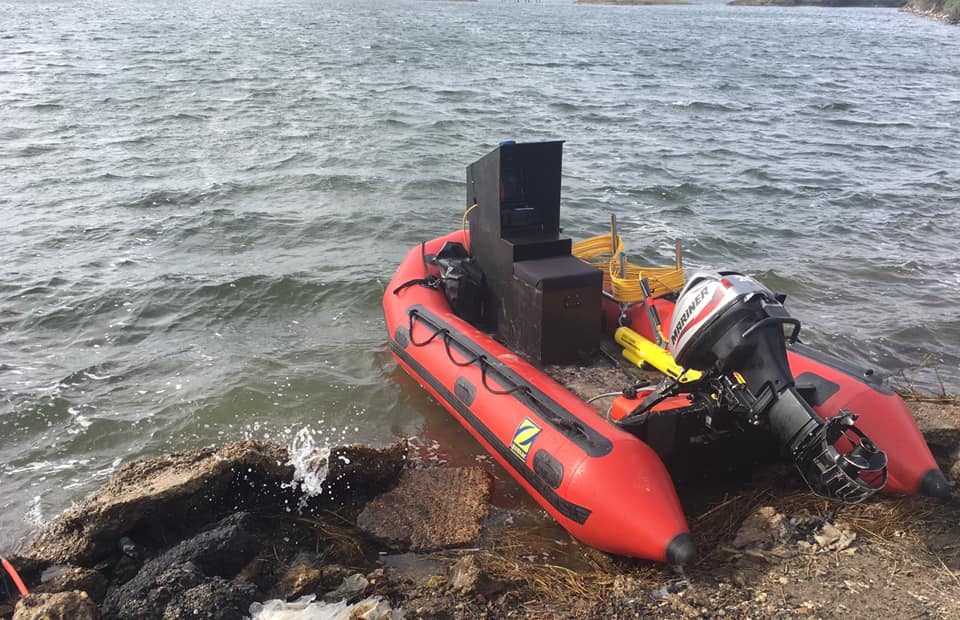
In November 2024, a boat capsized in the Passaúna Dam in Curitiba, Paraná, Brazil. The dam sits on the Passaúna River and is within the Parque Municipal do Passaúna. This dam supplies drinking water to the Curitiba Metropolitan Region.
According to news outlet globo.com, "The bodies of outsourced employees of the Paraná Sanitation Company (Sanepar), who were on a boat that capsized in the Passaúna Reservoir in Araucária, in the Metropolitan Region of Curitiba, were found…" Firefighters, who recently purchased a side scan sonar, were deployed to the scene and located the two men who had fallen overboard.
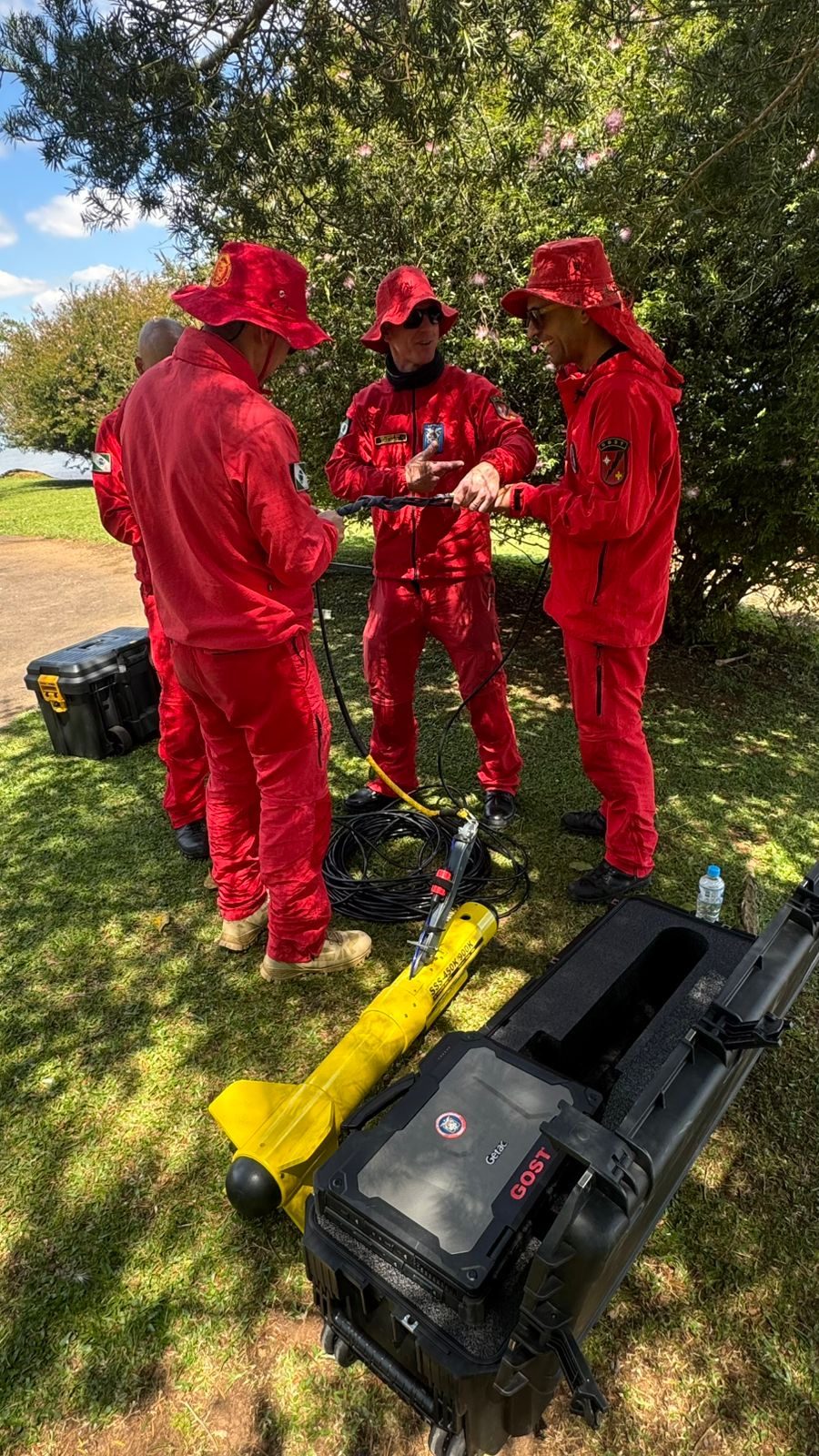
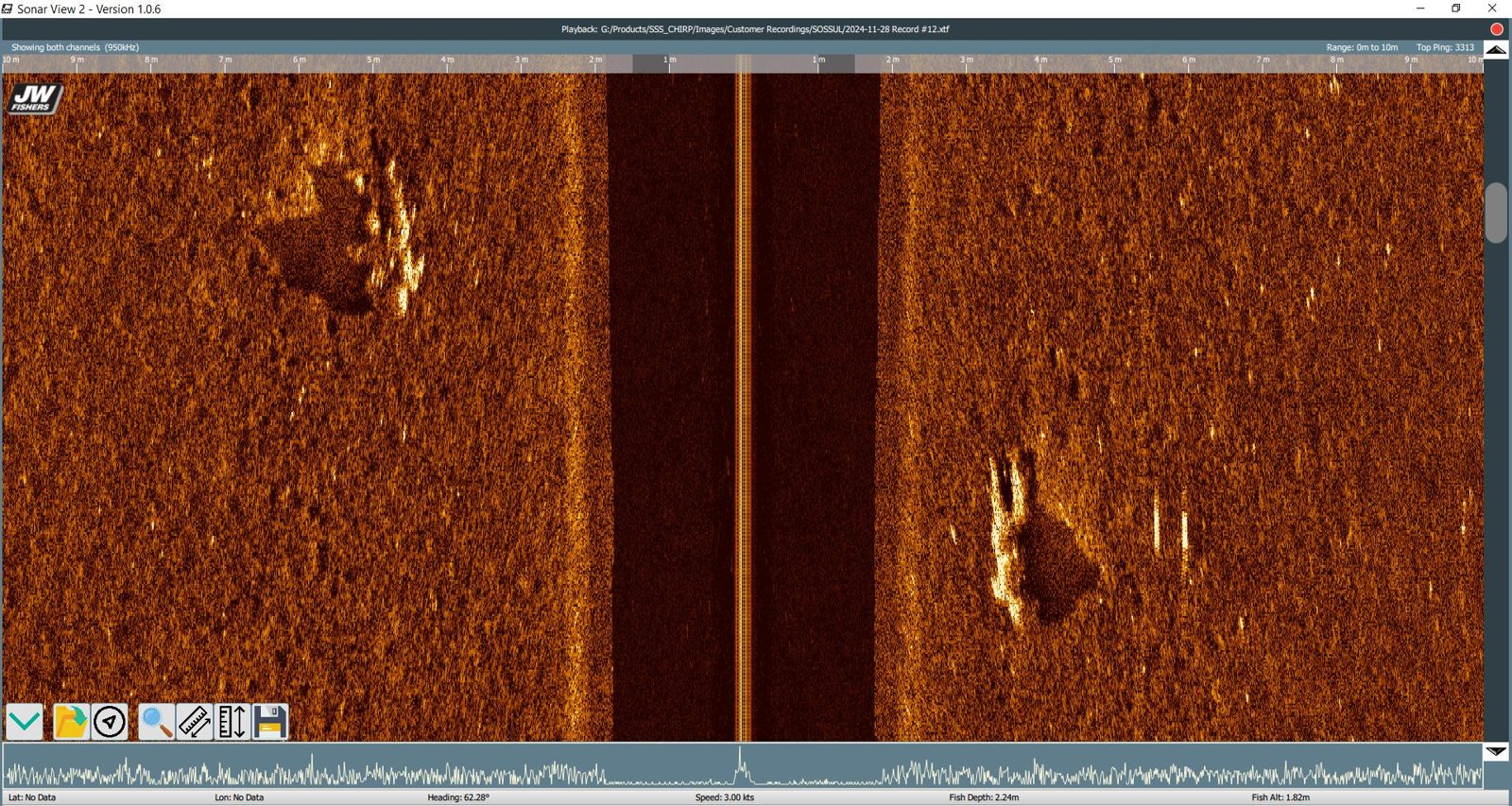
The article states that searches used a sonar device that emits sound waves to generate a three-dimensional image, allowing rescue teams to identify objects in the mapped area. According to Captain Zirpoli, this was the first time the Paraná Military Fire Department used this equipment. He explained, "It reads the bottom using sound waves and provides us with a three-dimensional image. After 15 minutes of operation, the two bodies at the bottom were very clear. They were seven meters deep and two meters apart, and we were able to recover them."
During the search, the Fire Department received an additional request from a man who believed he saw another boat capsized in the Passaúna Dam. He thought it might be his friend's boat, which had gone fishing the previous afternoon, and he had not heard from his friend since. The team conducting the search for the two Sanepar employees performed an initial search and located the man's body trapped in a fishing net.
Subscribe to our newsletter
Stay up-to-date with the latest news, product updates, and exclusive offers by subscribing to our newsletter.
Related Products

